
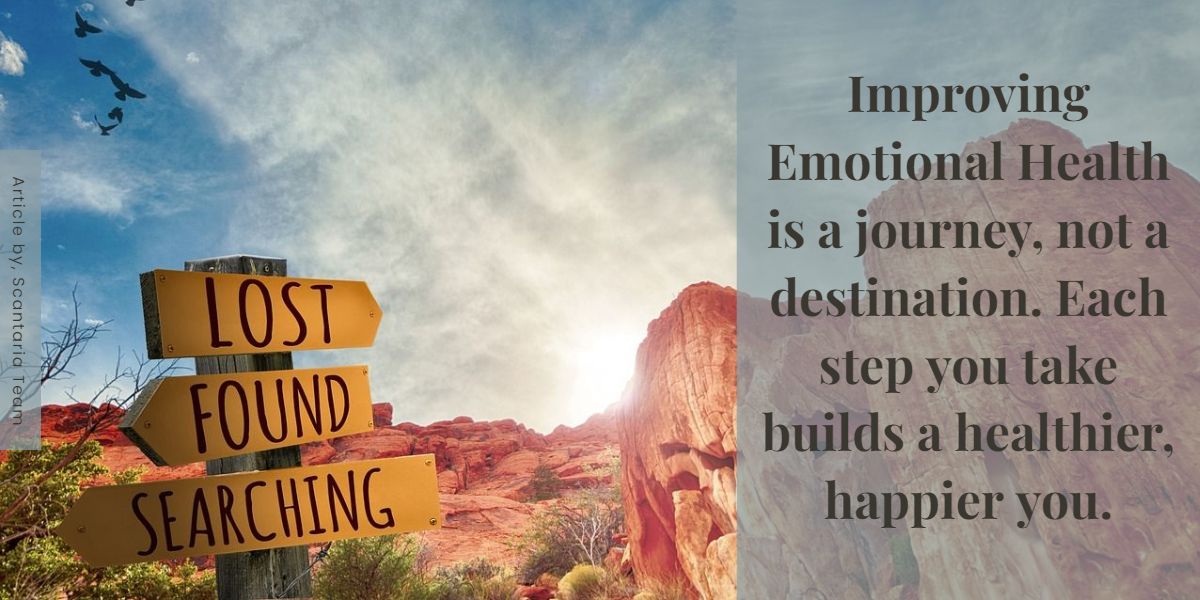
Emotional health is an integral part of our overall health. It’s often overlooked in the hustle and bustle of life, but maintaining good emotional health is as important as taking care of your physical health. In this article, we’ll delve into what emotional health is, the signs of emotional wellness, and how to improve and maintain it.
Understanding these signs can help identify if you or a loved one are emotionally healthy or if there might be some areas that need attention. So, read on to empower yourself with knowledge and take control of your emotional well-being.
Table of Contents
What is Emotional Health?
Emotional health, often intertwined with mental health, is about being aware of your emotions – both positive and negative – and knowing how to navigate and manage them. It’s not about being happy all the time. Emotionally healthy people can experience a range of emotions, including sadness and anger, but they know how to manage these feelings and express them in a healthy way.
Emotional health is an important part of overall wellbeing. Someone with good emotional health can cope with life’s stresses, work productively, and contribute to their community. However, poor emotional health can lead to mental health problems, such as depression and anxiety.
Recognizing the 8 Signs of Emotional Wellness
A Sense of Purpose:
Emotionally healthy people often have a sense of purpose in their lives. They have goals and directions, which give them a reason to get up in the morning. Having a sense of purpose can also provide a buffer against stress.
Adaptability to Change:
Change is a normal part of life, and being able to adapt to it is another sign of emotional health. Emotionally healthy individuals don’t resist change but embrace it, understanding it’s an integral part of growth.
Effective Stress Management:
Stress is an unavoidable part of life. However, how one deals with stress can be a clear sign of emotional health. Emotionally healthy people know how to manage stress, using techniques such as mindfulness, relaxation, or exercise.
Maintaining Balanced Relationships:
Our emotional health is closely linked to our relationships. People who have emotional health usually have a strong social support network and can maintain balanced relationships. They can express their feelings and needs to others and also respect the feelings and needs of others.
Physical Health and Wellness:
Believe it or not, physical and emotional health are closely related. Regular exercise, a balanced diet, and getting enough sleep are all signs of emotional wellness.
Self-Awareness and Understanding:
A person is able to recognize and understand their feelings is a key sign of emotional health. This self-awareness helps them to manage their emotions effectively.
Optimism and Positive Self-Talk:
Emotional health is also reflected in one’s perspective towards life. Emotionally healthy people tend to have a positive outlook and engage in positive self-talk, which helps them bounce back from disappointments and challenges.
Resilience:
Life inevitably throws curveballs our way. However, a key sign of emotional health is resilience, or the ability to bounce back from adversities. Emotionally healthy individuals understand that setbacks are a part of life and not an end to it. They’re able to pick themselves up, learn from the experience, and continue forward.
How to Improve Your Emotional Health
Knowing the signs of emotional health is just the first step. If you notice areas that could use improvement, here are some steps you can take to improve your emotional health:
Practice Self-Care:
Prioritize taking care of your physical health. This means eating a balanced diet, exercising regularly, and getting enough sleep. Physical and emotional health are closely linked, and taking care of one can significantly improve the other.
Cultivate Relationships:
Spend time building and maintaining relationships. Seek out friends and family who make you feel positive and supported. Having a strong support network can greatly improve your emotional health.
Develop Coping Skills:
Stress is an inevitable part of life. Developing effective stress management techniques, such as mindfulness, meditation, or yoga, can help you navigate life’s stresses without becoming emotionally overwhelmed.
Seek Professional Help:
If you’re struggling with your emotional health, don’t hesitate to seek professional help. Therapists and psychologists are trained to help you understand and manage your emotions more effectively.
Find Your Purpose:
Having a sense of purpose can significantly improve your emotional health. This can be achieved by pursuing hobbies or interests, contributing to your community, or working in a role that you find fulfilling. The sense of accomplishment and meaning derived from these activities can enhance your emotional wellbeing.
Prioritize Relaxation and Recharge Time:
Regular downtime is crucial for emotional health. This could include anything from a quiet evening reading a book, going for a walk in nature, practicing yoga, or simply taking the time to relax and unwind.
Practicing Positive Self-Talk:
Cultivate a positive mindset by practicing positive self-talk. Your thoughts greatly influence your feelings and behaviors. By consciously practicing positive self-talk, you can influence your emotional health positively.
Key Takeaways
Your emotional health plays a critical role in your overall wellbeing. It influences how you handle stress, make choices, and connect with others. Here are some important points to remember:
- Emotional health is not just about being happy all the time. It’s about being aware of and managing your full range of emotions, from joy to sadness, anger to tranquility.
- Signs of emotional health include self-awareness, resilience, the ability to manage stress, a strong support network, and a sense of purpose.
- There are steps you can take to improve your emotional health, such as practicing self-care, cultivating relationships, seeking professional help when necessary, finding your purpose, and prioritizing relaxation.
- Remember, it’s okay to ask for help. If you’re feeling emotionally overwhelmed, reach out to a mental health professional.
By understanding and focusing on improving your emotional health, you can achieve a better sense of balance, resilience, and overall wellness in your life. After all, emotional health is an important part of overall health.
Frequently Asked Questions
Q: What is wellbeing, and how is it connected to being emotionally healthy?
A: Wellbeing refers to the overall state of an individual’s physical, mental and social health. Being emotionally healthy is a crucial component of wellbeing as it indicates our ability to understand and manage our emotions effectively. It doesn’t mean being happy all the time, rather it’s about knowing how to manage life’s ups and downs competently.
Q: What is the correlation between emotional and physical health?
A: Emotional and physical health are intimately linked. Often, issues in one can lead to problems in the other. For example, persistent emotional stress can result in physical health issues like ulcers, heart diseases etc. Conversely, chronic physical illnesses can lead to emotional problems or even mental health issues.
Q: How can I take care of my physical health to improve my emotional wellbeing?
A: Regular physical activity, a balanced diet, sufficient sleep; these are a few ways to take care of your physical health. This can lead to improvements in your emotional health as it is closely linked to your physical health. Enhanced physical health contributes to better mood, reduced anxiety and increased energy – components vital for strong emotional health.
Q: What are the 8 signs of strong emotional health?
A: 1. You know how to manage stress. 2. You are not afraid of your emotions and can express them appropriately. 3. You have a positive self-talk. 4. You are capable of building and maintaining strong relationships. 5. You have a sense of purpose and meaning in your life. 6. You are flexible and adaptable to changes. 7. You take time to relax and engage in activities you enjoy. 8. You take care of your physical health.
Q: Can someone with good emotional health still have a mental health issue?
A: Yes, someone with good emotional health can still experience a mental health problem. This is because emotional health is only one aspect of overall health. Despite having strong emotional health, individuals can still suffer from mental health conditions such as anxiety disorders, depression, or bipolar disorder.
Q: What role does sense of purpose play in emotional health?
A: A sense of purpose is crucial for emotional health. It provides meaning to our lives, motivates us to overcome challenges and helps us make sense of things when they don’t go as planned. People with a strong sense of purpose tend to be happier, more resilient, and are more likely to maintain their emotional wellbeing during times of stress.
Q: How can I cultivate a sense of emotional wellbeing?
A: Regular self-reflection and self-care practices like mindfulness, positive self-talk, and restorative activities are ways to cultivate emotional wellbeing. Moreover, taking care of your physical health through exercise, wholesome nutrition, and adequate sleep can also contribute to emotional health. Building strong relationships and finding things in your life that give you a sense of purpose can further enhance it.
Q: What do we mean by “positive self-talk” and how does it affect our emotional health?
A: Positive self-talk refers to the encouraging and supportive words you tell yourself in challenging situations. It has a profound impact on our emotional health. Positive self-talk can boost our confidence, help manage stress, and contribute to a sense of overall wellbeing. Conversely, negative self-talk can cause significant emotional problems and hamper our emotional health.
Q: How does “time to relax” influence our emotional health?
A: Taking the time to relax is integral to maintaining emotional health. Relaxation allows our minds and bodies to unwind, reducing stress and enhancing our mood. Regular relaxation can result in better mental clarity, improved sleeping habits and leads to a more positive outlook on life. All of these elements are crucial for strong emotional health.
Q: When was this information on emotional wellbeing last updated?
A: This information was last updated on 17 July, 2023. It’s important to remember that while these strategies may help improve emotional health, each individual’s needs may vary. Always seek professional help if you are experiencing severe emotional problems or mental health issues.